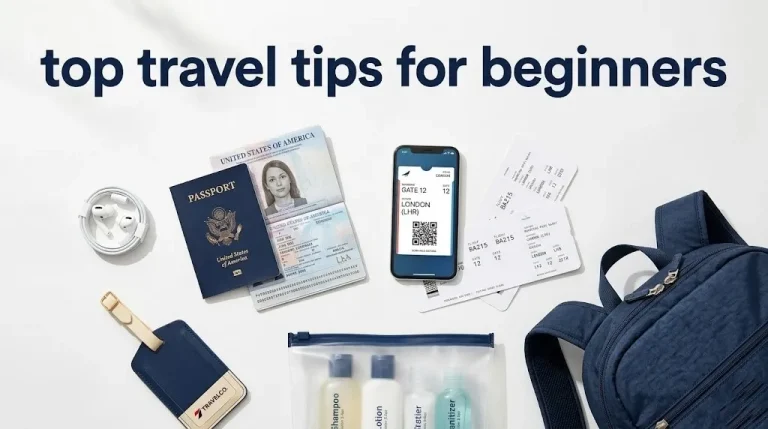
The single most important thing a beginner traveler can do is check their passport validity immediately. Many countries require a passport to be valid for six months beyond your planned return date.
Apply for a new passport or renew an expiring one at least four to six months before your trip. U.S. State Department passport processing times change seasonally and can extend unexpectedly.
First-time international travelers should check visa requirements on the U.S. State Department website before booking anything. Some countries require visa applications weeks or months in advance.
Budget travelers can save money by applying for passports during non-peak periods when processing fees are standard. Rush processing costs extra and is avoidable with early planning.
Solo travelers should make digital copies of their passport, visa, and travel insurance documents. Store copies in a cloud folder accessible from any device if the originals are lost or stolen.
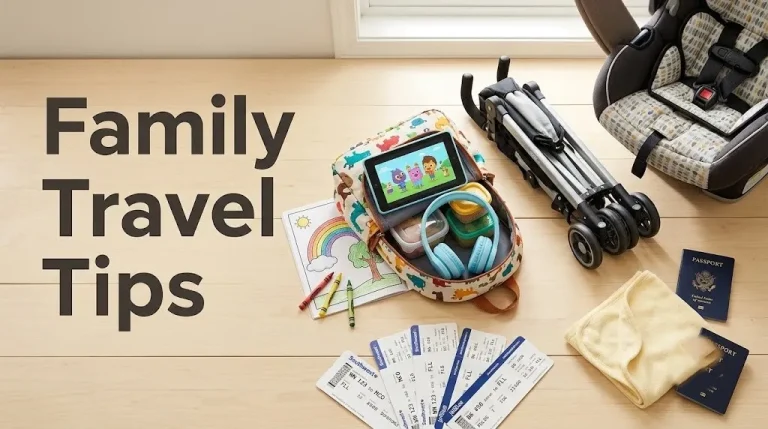
Families with children must apply for passports for every family member including infants. The process requires both parents to appear in person with the child at a passport acceptance facility.
Key Takeaway: Check passport validity six months before travel and apply for visas immediately after booking flights.
How to Book Your First Flight
Use Google Flights or Skyscanner to search for flights across multiple airlines and dates simultaneously. These platforms show you the cheapest days to fly and let you compare fares without booking directly.
Book international flights roughly two to eight months in advance for the best fare balance. Booking too late risks high prices, and booking too early rarely saves money for long-haul routes.
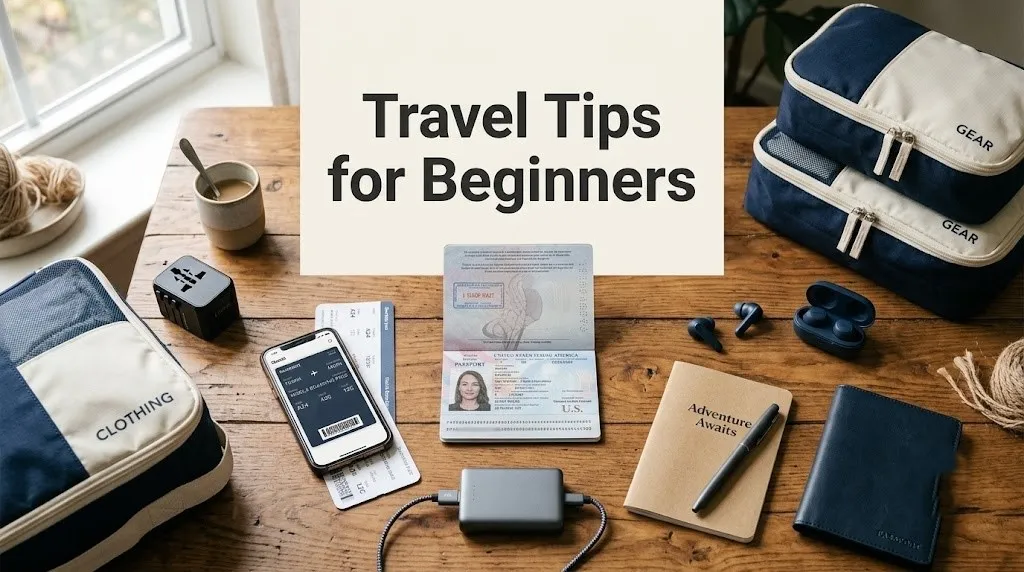
First-time international travelers should book directly with the airline rather than through a third-party website. Direct bookings make changes, cancellations, and customer service far easier if something goes wrong.
Budget travelers should search flights in an incognito browser window to avoid price tracking cookies. Flexible date searches reveal that flying on a Tuesday or Wednesday often saves meaningful money.
Solo travelers should select a seat during booking rather than waiting for check-in. An aisle or window seat gives a first-time flyer control over their space on a new experience.
Families with children should book seats together during the reservation process. Do not assume the airline will seat a family together at check-in.
Insider Tip: Set a Google Flights price alert for your route the moment you know your travel dates. The alert emails you when the fare drops on your specific flight.
Travel Insurance Explained for Beginners
Travel insurance protects beginners from financial loss if a trip is canceled, delayed, or interrupted. A basic policy covers trip cancellation, trip interruption, baggage loss, and travel delays.
First-time international travelers should purchase a policy that includes emergency medical coverage and medical evacuation. U.S. health insurance rarely covers medical expenses incurred in foreign countries.
Budget travelers should compare policies on platforms like InsureMyTrip or Squaremouth before selecting coverage. The cheapest policy is rarely the best value when you read the actual coverage limits.
Solo travelers should pay special attention to medical evacuation coverage in their travel insurance policy. An emergency evacuation to a proper hospital can cost tens of thousands of dollars without coverage.
Families with children should look for policies that cover children at no additional cost. Some travel insurance providers include dependent children on a family policy without extra charges.
Credit cards like the Chase Sapphire Preferred offer built-in travel insurance when you pay for the trip with the card. Read the card’s benefits guide to understand what is and is not covered.
| Coverage Type | What It Covers | What It Excludes |
|---|---|---|
| Trip Cancellation | Illness, injury, severe weather | Change of mind, fear of travel |
| Medical Emergency | Hospital, doctor, ambulance | Pre-existing conditions (varies) |
| Medical Evacuation | Transport to proper hospital | Non-emergency transport |
| Baggage Loss | Lost, stolen, or delayed bags | Valuable items over policy limit |
| Travel Delay | Meals, hotel during long delay | Delays under policy time threshold |
What to Pack for Your First Trip
Pack fewer clothes than you think you need and plan to do laundry once during a trip longer than five days. Most beginners pack twice as much clothing as they actually wear.
Use packing cubes to organize clothing by category and compress items into a smaller space. A carry-on suitcase with packing cubes holds enough for a seven-day trip in most climates.
First-time international travelers should pack a universal travel adapter for charging electronics. Different countries use different plug types and voltages that will not fit U.S. plugs.
Budget travelers should pack a reusable water bottle and fill it after airport security. Bottled water at airports and tourist areas costs far more than tap water in safe drinking water countries.
Solo travelers should pack a portable battery pack for charging a phone during long transit days. A dead phone in an unfamiliar city is a safety and navigation risk.
Families with children should pack a change of clothes for each child in the carry-on bag. Spills happen on planes, and checked luggage occasionally arrives later than the passenger.
Insider Tip: Pack a small first-aid kit with pain relievers, bandages, and any prescription medications in your carry-on bag. Pharmacies in foreign countries do not always carry the brands or formulations you expect.
First Time at the Airport Step by Step
Arrive at the airport two hours before a domestic flight and three hours before an international flight. This buffer allows time for parking, check-in, security screening, and finding the gate.
Check in for the flight online 24 hours before departure using the airline’s mobile app. Download the mobile boarding pass to your phone as a backup even if you print a paper copy.
First-time international travelers should proceed to the airline check-in desk if checking a bag. The agent verifies your passport and issues a baggage tag before sending the bag to the aircraft.
At the TSA security checkpoint, remove shoes, belts, jackets, and items from pockets. Place laptops and liquids in separate bins and follow the instructions of the TSA officers.
Budget travelers should not bring liquids larger than 3.4 ounces in carry-on luggage. Full-size toiletries must go in checked baggage or be left at home.
Solo travelers should locate the departure gate immediately after clearing security. Then explore nearby food options and shops without wandering too far from the boarding area.
Families with children should take advantage of family lanes at TSA checkpoints where available. These lanes move at a slower pace and are less stressful for first-time child travelers.
Key Takeaway: Arrive early, check in on the airline app, and locate the gate before exploring the terminal.
How to Handle Money While Traveling
Notify your bank and credit card company of your travel dates before departing. This prevents the card from being frozen for suspected fraud when transactions appear from a foreign country.
Use a credit card with no foreign transaction fees for purchases abroad. Cards like the Chase Sapphire Preferred and Capital One Venture waive foreign transaction fees that other cards charge at a percentage per swipe.
First-time international travelers should withdraw local currency from an ATM at the destination airport upon arrival. Airport exchange kiosks offer poor rates, and ATM withdrawals give the interbank exchange rate.
Budget travelers should decline dynamic currency conversion when a foreign ATM or card terminal offers to charge in U.S. dollars. Always choose to be charged in the local currency for a better exchange rate.
Solo travelers should carry two forms of payment stored in separate locations. Keep a credit card in a wallet and a backup debit card in a separate bag or money belt.
Families with children should have small amounts of local currency for street food, markets, and small purchases. Not every vendor in a foreign country accepts credit cards.
Insider Tip: Open a Charles Schwab checking account before international travel for unlimited ATM fee rebates worldwide. The account has no foreign transaction fees and no minimum balance requirement.
Travel Safety Tips for Beginners
Register your trip with the U.S. State Department through the Smart Traveler Enrollment Program (STEP). This free service alerts you to safety issues in your destination and helps the embassy contact you in an emergency.
Share your itinerary with a trusted friend or family member who is not traveling with you. Send a copy of your passport, flight details, and hotel reservations before departure.
First-time international travelers should research common scams at the destination before arriving. Tourist-heavy cities like Paris, Barcelona, and Bangkok have well-known scam patterns that target newcomers.
Solo travelers should avoid announcing that they are traveling alone. A simple “I am meeting a friend” or “my partner is back at the hotel” deters unwanted attention.
Families with children should establish a meeting point at every attraction in case someone gets separated. Take a photo of each child in the outfit they are wearing that day for quick identification.
Budget travelers should spread money across multiple secure locations rather than carrying all cash in one wallet. A money belt, a hotel safe, and a day wallet with limited funds limit exposure to theft.
Solo female travelers should trust their instincts without apology. If a street, bar, or person feels wrong, leave immediately without explaining or justifying the decision.
How to Choose Your First Destination
Choose an English-friendly destination with strong tourism infrastructure for a first international trip. Cities like London, Dublin, Amsterdam, Singapore, and Tokyo are beginner-friendly with excellent transit systems.
Start with a destination that has a manageable flight time for your comfort level. A six-hour transatlantic flight is a gentler introduction than a 14-hour transpacific journey.
First-time international travelers should consider destinations in the Schengen Area of Europe where one visa covers multiple countries. The open borders between Schengen nations simplify multi-country itineraries.
Budget travelers should look at destinations where the U.S. dollar is strong and daily costs are lower. Mexico, Portugal, Vietnam, and Thailand offer excellent value for a first international trip.
Solo travelers should choose cities with excellent public transportation and high walkability. A destination like Amsterdam or Copenhagen lets you explore independently without renting a car.
Families with children should pick destinations with direct flights from their home airport. A nonstop flight reduces the complexity and stress of the travel day with young children.
Key Takeaway: Choose an English-friendly, transit-rich destination within an eight-hour flight for a first international trip.
Best Travel Apps for Beginners
Google Maps is the single most essential travel app, and it works offline when you download maps in advance. Save your hotel, key attractions, and restaurants before leaving WiFi coverage.
Google Translate allows you to download entire languages for offline translation. The camera translation feature translates signs, menus, and documents by pointing your phone camera at the text.
First-time international travelers should download the airline’s mobile app before departure. The app stores your boarding pass, sends gate change notifications, and tracks baggage status.
Budget travelers should use TripAdvisor or Yelp to check restaurant reviews before sitting down. Tourist trap restaurants are easy to identify by reading recent reviews from other travelers.
Solo travelers should download a rideshare app like Uber or the local equivalent in the destination country. Rideshare apps provide driver tracking, upfront pricing, and a safer experience than hailing a street taxi.
Families with children should download entertainment apps with offline content for flights and delays. Netflix, Disney+, and Spotify allow downloading shows and music for offline playback.
Common Travel Mistakes Beginners Make
Packing too much clothing is the most universal beginner travel mistake. Most first-time travelers wear half of what they pack and haul unnecessary weight through airports and train stations.
Arriving at the airport with barely enough time is a mistake that cascades into missed flights. Airport security lines, gate changes, and terminal distances take longer than beginners expect.
First-time international travelers often forget to check passport validity until the week before departure. An expired or soon-to-expire passport can cancel a trip entirely.
Budget travelers make the mistake of exchanging money at airport currency kiosks with terrible exchange rates. Airport ATMs in the arrival hall offer far better rates with a no-fee debit card.
Solo travelers sometimes overshare travel plans with strangers on social media in real time. Posting photos and location tags while still at a destination signals an empty home and a traveler’s current location.
Families with children often fail to reserve seats together during flight booking. Airlines do not guarantee family seating at check-in, and separated families create a stressful start to a trip.
Key Takeaway: Pack half what you think you need, arrive early, and protect your passport and credit cards above all else.
Overcoming First Time Travel Anxiety
Travel anxiety is normal and affects most first-time travelers, even those who appear confident. The feeling diminishes with each trip as the unknown becomes familiar.
Prepare a printed document with all reservation numbers, addresses, and emergency contacts. Having a physical backup when the phone battery dies or WiFi fails reduces panic.
First-time international travelers should book the first night’s accommodation before departing and confirm the airport transfer method. Knowing where you are sleeping and how to get there eliminates the scariest part of arrival day.
Solo travelers should start the first day with a guided walking tour or group activity. A structured introduction to a new city builds confidence for independent exploration later in the trip.
Budget travelers should have access to emergency funds for an unexpected taxi, hotel, or flight change. Knowing a financial safety net exists reduces anxiety about things going wrong.
Travel anxiety is not a reason to cancel a trip or to judge yourself harshly. Millions of first-time travelers feel the same fear every year and go on to have life-changing positive experiences.
Solo Travel Tips for First Timers
Book a centrally located hotel or hostel in a walkable neighborhood for a first solo trip. A safe, well-reviewed property in a busy area eliminates the stress of navigating an unfamiliar city at night.
Share the daily itinerary with someone back home and check in once per day with a quick message. A simple text confirming that everything is fine provides peace of mind for you and your contact.
First-time solo travelers should eat at busy restaurants where locals are dining rather than empty tourist spots. A busy restaurant signals good food, fair prices, and a safer dining environment.
Solo female travelers should research local customs regarding dress, behavior, and public interaction. Respecting local cultural norms reduces unwanted attention and makes the trip smoother.
Budget solo travelers should consider hostels with highly rated social atmospheres for meeting other travelers. A private room in a social hostel combines privacy with the option of meeting people.
Solo travel does not mean being alone for the entire trip. Join a free walking tour, book a cooking class, or sign up for a day trip to meet people in a structured setting.
Family Travel Tips for Beginners
Choose a destination with a direct flight from your home airport for a first family trip. Eliminating a connection reduces the complexity of the travel day with young children.
Pack an entire change of clothes for each child in the carry-on bag plus extra snacks. Delays and spills are inevitable, and a prepared carry-on bag solves most mid-flight emergencies.
First-time family travelers should book accommodations with a kitchen or kitchenette. The ability to prepare simple meals and snacks saves money and solves the problem of picky eaters.
Budget family travelers should look for hotels where kids stay and eat free. Many international hotel brands offer family packages that significantly reduce the cost of a trip.
Solo parents traveling with children should bring a notarized letter of consent from the other parent if crossing international borders. Some countries require this documentation to prevent child abduction concerns.
A family trip moves at the pace of the youngest child, and that is perfectly fine. A single successful activity per day with pool time or park time built in makes a better trip than an overstuffed itinerary.
Key Takeaway: Direct flights, a kitchen, and a relaxed daily pace are the foundation of a successful first family trip.
Your First Trip Final Checklist
Verify passport validity six months beyond return date and apply for any required visas. This single step prevents the most catastrophic beginner travel mistake.
Book travel insurance with medical and evacuation coverage immediately after purchasing flights. The policy covers pre-departure cancellation from the date of purchase.
First-time international travelers should download offline maps, translation languages, and entertainment to a phone. Do this on home WiFi the night before departure.
Pack a carry-on bag with medications, a change of clothes, chargers, and travel documents. Assume checked luggage will be delayed and pack accordingly.
Budget travelers should notify the bank of travel dates and confirm a credit card has no foreign transaction fees. Carry a backup card stored separately from the primary wallet.
Solo travelers should share the itinerary with a trusted contact and check in once daily. A quick message provides safety for the traveler and peace of mind for those back home.
Families with children should pack snacks, entertainment, and a change of clothes for each child in the carry-on. The quality of the travel day depends almost entirely on the carry-on bag contents.
Frequently Asked Questions About Travel Tips for Beginners
What should a first time traveler know?
A first-time traveler should prioritize passport validity, travel insurance, and a printed backup of all reservation details.
Arrive at the airport early, download offline maps, and pack less clothing than you think you need.
The most important thing is to confirm documents and finances before departure.
How far in advance should a first time traveler book a flight?
Book international flights two to eight months in advance for the best fare balance on most routes.
Domestic flights can be booked one to three months in advance with good results.
Set a Google Flights price alert and book when the fare drops into a comfortable range.
Do I need travel insurance for my first trip?
Travel insurance is strongly recommended for a first trip, especially for international travel.
A policy should include trip cancellation, medical coverage, and medical evacuation benefits.
Some credit cards offer built-in travel insurance if you pay for the trip with the card.
What should I pack for my first international trip?
Pack half the clothing you think you need and plan to do laundry once during the trip.
Include a universal travel adapter, a portable battery pack, and all medications in your carry-on bag.
A reusable water bottle and a small first-aid kit are practical additions that beginners often forget.
How do I get through airport security for the first time?
Remove shoes, belts, jackets, and items from pockets before reaching the TSA checkpoint.
Place laptops and liquids in separate bins and follow the instructions of the TSA officers.
Check the TSA website before departure for current liquid restrictions and prohibited items.
What is the best destination for a first time traveler?
An English-friendly destination with strong tourism infrastructure is best for a first international trip.
Cities like London, Dublin, Amsterdam, and Singapore are beginner-friendly with excellent transit systems.
Choose a destination with a manageable flight time and a direct flight from your home airport.
Your First Trip Starts With Preparation
The best travel tips for beginners are not about finding the perfect destination or the cheapest flight. The real key is preparing documents, finances, and a realistic packing list before anything else. Travel becomes easier after the first trip, and the anxiety you feel now is a normal part of the learning process.
Your single best move is to check your passport tonight and book travel insurance the moment you purchase your flights. A valid passport and a comprehensive travel insurance policy protect you from the two things that can cancel a trip before it begins. Everything else, from packing to navigating airports, becomes easier once those two items are secure.
Passport processing times, visa requirements, TSA security procedures, travel insurance policy terms, and foreign transaction fee structures change without public notice. Verify current document requirements at the U.S. State Department travel page and confirm your airline’s baggage and check-in policies directly before departure. A prepared traveler is a confident traveler, and a confident traveler has a better trip from the very first step out the door.