China Airlines premium economy delivers genuine seat comfort and attentive service on long-haul transpacific routes. The product outperforms standard economy by a meaningful margin without approaching business class pricing.
Seat pitch typically reaches 38 to 39 inches on both the Boeing 777-300ER and Airbus A350-900 fleets. Width extends to roughly 19 inches across most configurations, a real upgrade from economy.
This review covers every aspect of the premium economy experience with specific seat measurements, honest food assessments, and clear guidance on who should upgrade. Use it to decide whether the fare premium makes sense for your next Asia flight.
China Airlines Premium Economy Review
China Airlines premium economy occupies a distinct middle ground between standard economy and the carrier’s business class cabin. The product excels on routes exceeding 10 hours where seat comfort becomes a genuine priority.
The cabin typically houses 28 to 36 seats in a 2-4-2 configuration on the 777 fleet. The smaller cabin size means fewer passengers and quieter service flow throughout the flight.

Budget travelers upgrading from economy will notice the space difference immediately on long-haul segments. Business travelers who cannot secure corporate business class approval find this cabin a practical compromise for transpacific routes.
The premium economy cabin sits in its own dedicated section between business and economy. This separation reduces foot traffic and creates a noticeably calmer environment than the main economy cabin.
Most travelers underestimate how much the dedicated cabin and reduced passenger count improves the 12-hour flight experience. The quieter atmosphere alone justifies part of the fare premium for light sleepers.
Premium Economy China Airlines
China Airlines markets its premium economy as a distinct cabin class with dedicated seating, enhanced dining, and priority ground services. The product sits above standard economy and well below the carrier’s business class offering.
Airlines across Asia have invested heavily in premium economy to capture travelers priced out of business class. China Airlines introduced its current premium economy product as part of a broader fleet modernization program on long-haul aircraft.
Families with children benefit from the extra seat width and pitch without paying business class fares on 12-hour flights. Solo travelers who value personal space and reduced neighbor intrusion will also find the upgrade meaningful.
Fare premiums over standard economy vary significantly by route and booking window. The differential typically runs 40 to 80 percent above the lowest available economy fare on transpacific routes.
China Airlines premium economy rarely sells out as quickly as business class on popular routes like Taipei to Los Angeles. Booking 60 to 90 days ahead often secures reasonable upgrade pricing.
China Airlines Premium Economy 777
The Boeing 777-300ER forms the backbone of China Airlines long-haul operations to North America. Premium economy on this aircraft features a 2-4-2 layout with a total of 36 seats in a dedicated cabin section.
Seat pitch on the 777 premium economy configuration measures approximately 38 inches. Width reaches about 19 inches with a recline that extends further than standard economy without intruding on the row behind.
Tall travelers over six feet should note that the 38-inch pitch provides adequate legroom but may feel snug on 14-hour segments. The fixed armrest design limits hip room compared to some competing products on Singapore Airlines.
The 777-300ER serves routes from Taiwan Taoyuan International Airport (TPE) to Los Angeles, San Francisco, and New York. These ultra-long-haul flights benefit most from the premium economy seat upgrade.
Cabin placement directly behind business class means faster meal service and earlier deplaning on arrival. The location also reduces galley noise and lavatory traffic from the main economy cabin.
Key Takeaway: The 777-300ER premium economy seat delivers solid comfort for transpacific routes, but the fixed armrest design and 38-inch pitch may feel restrictive for passengers over six feet tall on flights exceeding 12 hours.
China Airlines Premium Economy Seat
The premium economy seat on China Airlines uses a shell-forward design that allows recline without the seat back moving into the passenger behind. This mechanism reclines the seat pan and backrest within a fixed outer shell.
Seat pitch reaches 38 to 39 inches depending on the specific aircraft configuration. Width measures approximately 19 inches with a leg rest that deploys from the front of the seat cushion on the 777-300ER.
Solo travelers appreciate that the 2-4-2 configuration offers window pairs that minimize stranger adjacency. The fixed shell design means the passenger in front cannot recline into your meal tray or laptop space.
The leg rest on the 777 variant extends to support calves but does not create a fully horizontal sleeping surface. On the A350-900, the footrest design differs slightly with a bar-style support rather than a full calf rest.
The seat’s recline angle reaches further than standard economy but falls well short of the lie-flat position in business class. Expect a noticeable improvement over economy without the sleeping capability of a flat bed.
China Airlines Economy vs Premium Economy
The upgrade from China Airlines economy to premium economy delivers measurable improvements across seat dimensions, dining quality, and ground services. The difference becomes most apparent on flights lasting more than eight hours.
Standard economy on the 777-300ER offers roughly 32 inches of seat pitch and 17 inches of width. Premium economy adds approximately six to seven inches of legroom and two inches of seat width.
First-time international travelers on long-haul transpacific flights will find premium economy significantly reduces the physical fatigue of a 12-hour journey. The extra space makes sleeping, eating, and working far more manageable for passengers new to ultra-long-haul travel.
Priority boarding means earlier access to overhead bin space. Premium economy passengers also receive an enhanced meal service with real glassware, metal cutlery, and a more extensive menu selection than economy.
The price difference between economy and premium economy fluctuates dramatically based on route, season, and booking window. Verify current pricing directly with China Airlines before making your final booking decision.
China Airlines Economy vs Premium Economy
| Feature | Economy Class | Premium Economy |
|---|---|---|
| Seat Pitch | ~32 inches | ~38-39 inches |
| Seat Width | ~17 inches | ~19 inches |
| Recline Type | Standard recline | Shell-forward design |
| Leg Rest | Not available | Calf rest (777) / Bar rest (A350) |
| Meal Service | Standard tray | Enhanced with glassware |
| Checked Baggage | Varies by fare | Typically 2 pieces |
| Priority Boarding | No | Yes |
China Airlines Premium Economy Food
China Airlines premium economy dining represents a meaningful upgrade over standard economy meals. The service uses real ceramic dishware, metal cutlery, and a printed menu card presented shortly after takeoff.
Meal selections typically include a Western option and an Asian option. The Asian dishes reflect Taiwanese culinary traditions with braised pork rice, noodle soups, and stir-fried preparations appearing regularly on transpacific routes.
Budget travelers who value food quality as part of the overall flight experience will appreciate the upgrade from economy tray service. Business travelers accustomed to lounge dining before departure may find the meal adequate but unremarkable.
Meal timing follows a predictable long-haul pattern with a main service after takeoff and a lighter second meal before landing. Snacks including noodles, sandwiches, and packaged items sit available in the galley between services.
Special meal requests accommodate vegetarian, religious dietary requirements, and medical needs. Request special meals through the China Airlines manage booking portal at least 48 hours before departure.
China Airlines Premium Economy Entertainment
The in-flight entertainment system on China Airlines premium economy uses a seatback screen measuring approximately 11 to 12 inches diagonally. The screen size matches or slightly exceeds what most competitors offer in this cabin class.
Content selection includes Hollywood new releases, Asian cinema, TV series, music, and games. The library rotates periodically but carries fewer titles than the business class system on the same aircraft.
Families with children should note that the kids’ content selection is adequate but not extensive. Download backup entertainment on personal devices for children who need constant content variety on 12-hour transpacific segments.
Noise-canceling headphones come provided with the premium economy amenity kit on overnight flights. The headphone quality reduces cabin drone adequately but does not match the over-ear noise-canceling headsets offered in business class.
The USB port and universal power outlet at each seat keep personal devices charged throughout the flight. The outlet placement on the 777 sits under the seat and requires a short reach to access mid-flight.
Key Takeaway: The IFE screen quality and content library are competitive for premium economy, but families should download backup entertainment and solo travelers will appreciate the supplied noise-canceling headphones on long transpacific night segments.
China Airlines A350 Premium Economy
The Airbus A350-900 operates select China Airlines long-haul routes with a newer premium economy cabin than the 777 fleet. The A350 product uses a different seat model with some design differences travelers should understand before booking.
Seat pitch on the A350-900 premium economy measures approximately 39 inches. The cabin features a 2-3-2 configuration with 28 total seats, creating a narrower and more intimate cabin feel than the 777 arrangement.
Solo travelers on A350 routes benefit from the 2-3-2 layout which limits middle-seat density. The newer airframe also delivers higher cabin humidity and lower cabin altitude pressure, reducing dehydration and fatigue on ultra-long flights.
The A350 serves routes from Taipei to Vancouver, select European destinations, and some regional Asian sectors. Check your specific aircraft assignment when booking because route equipment changes occur without prior public notice.
The footrest on the A350 uses a bar-style support rather than the calf rest found on the 777. This design difference matters for shorter passengers whose feet may not reach the bar comfortably.
China Airlines Premium Economy Amenity Kit
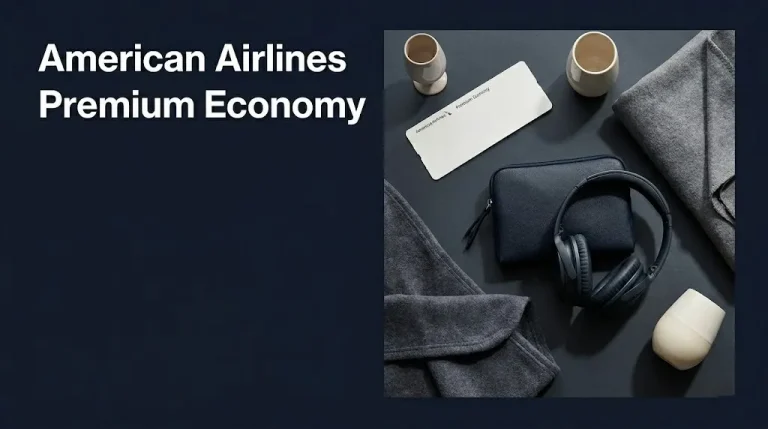
China Airlines provides an amenity kit in premium economy on long-haul overnight flights. The kit contains the essentials for a more comfortable 12-hour journey without approaching the luxury level of business class offerings.
Kit contents typically include a toothbrush and toothpaste, eye mask, earplugs, socks, and a basic skincare item. The bag design changes periodically and sometimes features collaborations with Taiwanese brands or designers.
First-time long-haul travelers will find the amenity kit covers basic comfort needs adequately. Frequent flyers accustomed to business class amenity kits from Singapore Airlines or Cathay Pacific will notice the product selection feels more functional than premium.
Noise-canceling headphones come packaged separately from the amenity kit on overnight transpacific flights. Daytime departures on shorter premium economy routes may receive a reduced amenity offering.
The kit bag itself is reusable but not particularly durable for long-term travel use. Travelers who collect airline amenity kits may find the design pleasant but unremarkable compared to limited-edition kits from competitors.
China Airlines Premium Economy Baggage Allowance
China Airlines premium economy passengers typically receive a checked baggage allowance of two pieces on long-haul international routes. Each piece may weigh up to 23 kilograms under the standard allowance terms.
Carry-on baggage follows the standard cabin policy with one main carry-on bag and one personal item permitted. The carry-on dimensions must fit within the airline’s published size limits for overhead bin storage.
Budget travelers carrying extra luggage for extended Asia trips benefit from the second checked bag allowance over standard economy fares that sometimes include only one piece. Verify your specific fare rules because promotional premium economy fares occasionally carry restricted baggage terms.
Excess baggage fees apply when bags exceed the weight or piece count limits. The per-kilogram rate on transpacific routes adds significant cost to overpacked suitcases.
Baggage policies change without public announcement. Confirm your specific allowance on the China Airlines official website using your booking reference before departure day.
China Airlines Premium Economy Baggage Allowance
| Item | Allowance |
|---|---|
| Checked Bags (Long-Haul) | 2 pieces, 23kg each |
| Carry-On Bag | 1 piece, 7kg |
| Personal Item | 1 piece (laptop bag or purse) |
| Infant Baggage | Separate allowance applies |
| Excess Weight Fee | Per-kg rate on transpacific routes |
China Airlines Premium Economy Lounge Access
China Airlines does not include lounge access with premium economy fares as a standard benefit. This policy differs from some competing airlines that extend lounge invitations to premium economy passengers on specific routes or fare types.
Access to the China Airlines Dynasty Lounge at Taipei Taoyuan International Airport requires a business class ticket or eligible elite status in the Dynasty Flyer program. SkyTeam alliance elite members may also qualify for lounge entry based on their tier level.
Business travelers accustomed to lounge access with premium economy on carriers like EVA Air will find this a notable gap in the China Airlines product. Budget travelers who rarely use lounges may not consider this a meaningful loss.
Priority Pass and Lounge Key members can access contract lounges at most airports served by China Airlines. Several credit cards issued by U.S. banks offer Priority Pass membership as a cardholder benefit.
The absence of included lounge access keeps the premium economy fare lower relative to competitors that bundle this amenity. Travelers who value lounge access should factor the cost of a Priority Pass membership or single-use lounge pass into their total trip budget.
Key Takeaway: China Airlines premium economy does not include lounge access, a key difference from EVA Air’s premium economy product, so factor Priority Pass membership or pay-per-use lounge costs into your total travel budget.
Is China Airlines Premium Economy Worth It
China Airlines premium economy delivers genuine value on transpacific flights exceeding 10 hours. The seat upgrade alone transforms the physical experience of a 12-hour flight from endurance event to manageable journey.
The value proposition strengthens on overnight red-eye flights where the extra recline, leg rest, and quieter cabin make sleep possible. Daytime flights on the same route may not justify the full fare premium for travelers who rarely sleep on planes.
Budget-conscious travelers flying between North America and Southeast Asia should compare the premium economy fare against business class sale prices. On some dates, a business class promotional fare costs only marginally more than a full-fare premium economy ticket.
The product makes less sense on shorter regional routes within Asia where flight times under five hours limit the comfort advantage. The economy cabin on these segments delivers a comparable experience for significantly less money.
Premium economy pricing fluctuates dramatically by season and booking window. The fare premium over economy typically narrows during off-peak travel periods between January and March.
China Airlines Premium Economy vs EVA Air
The EVA Air premium economy product competes directly with China Airlines on overlapping transpacific routes from Taipei. Both Taiwanese carriers offer premium economy cabins on their long-haul fleets with some important differences travelers should understand.
EVA Air premium economy includes lounge access at Taipei Taoyuan International Airport on eligible fares. China Airlines reserves lounge access for business class passengers and elite status holders only.
Families traveling with children may prefer EVA Air’s premium economy for the included lounge access which provides a comfortable pre-flight space with food and drinks. Solo travelers who prioritize seat comfort over ground amenities might find China Airlines delivers comparable in-flight quality at a sometimes lower fare.
Seat dimensions on both carriers measure similarly with approximately 38 inches of pitch and 19 inches of width. EVA Air uses a slightly different seat model with some travelers reporting more comfortable cushioning on longer segments.
Both airlines serve premium economy passengers enhanced meals with real dishware and an upgraded menu. The service style reflects each carrier’s cabin crew culture with EVA Air often receiving slightly higher marks for attentiveness in passenger surveys.
China Airlines vs EVA Air Premium Economy
| Feature | China Airlines | EVA Air |
|---|---|---|
| Seat Pitch | ~38-39 inches | ~38 inches |
| Seat Width | ~19 inches | ~19 inches |
| Lounge Access | Not included | Included on eligible fares |
| Aircraft Types | 777-300ER, A350-900 | 777-300ER, 787-10 |
| Meal Service | Enhanced with glassware | Enhanced with glassware |
| Cabin Config | 2-4-2 (777) / 2-3-2 (A350) | 2-4-2 |
| Price Tier | Mid-range premium economy | Slightly higher |
China Airlines Premium Economy Check In
China Airlines premium economy passengers access a dedicated priority check-in counter at most international airports. The priority lane reduces wait times compared to the standard economy queue during peak departure periods.
At Taiwan Taoyuan International Airport (TPE), premium economy check-in operates from designated counters in Terminal 1. The priority lane is clearly marked and separate from the business class and standard economy queues.
First-time international travelers departing from large North American airports will appreciate the priority lane during evening transpacific departure banks. The 7 PM to midnight window sees heavy passenger volume from multiple airlines operating Asia-bound flights.
Online check-in opens 24 hours before departure through the China Airlines website or mobile application. Seat selection is available during online check-in if not already completed during the booking process.
Priority boarding follows check-in with premium economy passengers invited to board after business class and before economy. The earlier boarding window ensures overhead bin space near your seat.
China Airlines Premium Economy Upgrade
China Airlines offers several paths to premium economy upgrades depending on the original fare class purchased. Upgrade options include paid upgrade bidding, mileage redemption through the Dynasty Flyer program, and occasional airport check-in upgrade offers.
The upgrade bidding system invites eligible economy passengers to submit a bid for premium economy seats in the days before departure. Minimum bid thresholds vary by route and are communicated via email to eligible bookings.
Business travelers with flexible corporate travel policies should monitor the upgrade bid window closely. Submitting a bid slightly above the minimum threshold on less popular travel dates often secures a premium economy seat at a significant discount to the published fare.
Mileage upgrades through Dynasty Flyer require specific fare class eligibility and award seat availability. Economy tickets booked in deeply discounted fare buckets typically do not qualify for mileage upgrades to premium economy.
Airport upgrade offers at check-in provide a last-minute path to premium economy on select flights. Pricing varies by route and demand with transpacific upgrades typically costing several hundred dollars at the airport counter.
Best Premium Economy Airlines Asia
Asia-based carriers dominate global premium economy rankings with several airlines delivering exceptional products on long-haul routes. Singapore Airlines, Japan Airlines, ANA, Cathay Pacific, EVA Air, and China Airlines all compete in this category.
Singapore Airlines premium economy consistently earns top marks for seat comfort, dining quality, and cabin service. The product commands a fare premium that reflects the higher positioning relative to competitors like China Airlines.
Budget-conscious premium economy travelers will find China Airlines and EVA Air deliver the strongest value proposition among top-tier Asian carriers. The fare premium over economy on these airlines typically runs lower than Singapore Airlines or Cathay Pacific on comparable transpacific routes.
Japan Airlines and ANA offer premium economy seats with some of the widest dimensions in the category. Both Japanese carriers include lounge access on premium economy fares for eligible routes.
The ranking of Asia’s best premium economy products shifts based on what matters most to each traveler profile. Seat dimensions, dining quality, lounge access, and fare premium all factor differently depending on individual priorities.
Best Premium Economy Airlines in Asia (Transpacific Routes)
| Airline | Seat Pitch | Lounge Access | Standout Feature | Honest Limitation |
|---|---|---|---|---|
| Singapore Airlines | ~38 inches | Yes | Exceptional dining | Highest fare premium |
| Japan Airlines | ~38-42 inches | Yes | Widest seats | Limited North America routes |
| ANA | ~38 inches | Yes | Japanese service culture | 787 product varies |
| Cathay Pacific | ~38-40 inches | Yes | Consistent product | Price premium on some routes |
| EVA Air | ~38 inches | Yes | Lounge + solid seat | Middle-seat density on 777 |
| China Airlines | ~38-39 inches | No | Strong value pricing | No lounge, fixed armrest |
Key Takeaway: China Airlines premium economy is the value leader among top Asian carriers, with seat comfort matching competitors but lounge access absent from the offering.
Frequently Asked Questions About China Airlines Premium Economy
Does China Airlines premium economy have lie-flat seats?
China Airlines premium economy does not offer lie-flat seats on any aircraft type.
The seats use a shell-forward recline design that extends further than standard economy but does not reach a flat sleeping position.
For a fully flat bed on China Airlines, travelers must book the business class cabin.
Is food included in China Airlines premium economy?
Yes, premium economy fares on China Airlines include an enhanced meal service with real ceramic dishware and metal cutlery.
The menu offers Western and Asian options with Taiwanese dishes featured prominently on flights departing Taipei.
Special meals are available when requested at least 48 hours before departure through the manage booking portal.
How much baggage is allowed in China Airlines premium economy?
China Airlines premium economy passengers typically receive two checked bags weighing up to 23 kilograms each on long-haul international routes.
Carry-on allowance includes one main bag and one personal item within published size limits.
Verify your specific fare rules on the China Airlines official website because promotional fares may carry different baggage terms.
Do you get lounge access with China Airlines premium economy?
China Airlines does not include lounge access as a standard premium economy benefit on any route.
Lounge entry requires a business class ticket, Dynasty Flyer elite status, or SkyTeam alliance elite tier membership.
Priority Pass and Lounge Key members can access contract lounges at most airports served by China Airlines.
Is China Airlines premium economy better than EVA Air?
China Airlines and EVA Air premium economy products deliver comparable in-flight seat comfort with nearly identical dimensions.
EVA Air includes lounge access on eligible premium economy fares, giving it an edge for travelers who value pre-flight lounge time.
China Airlines often prices slightly below EVA Air on overlapping transpacific routes, making it the stronger value pick for budget-conscious travelers.
How do I upgrade to premium economy on China Airlines?
Upgrade options include paid upgrade bidding through the airline’s bid system, mileage redemption via Dynasty Flyer, and occasional airport check-in upgrade offers.
Eligibility for mileage upgrades depends on your original economy fare class, with deeply discounted tickets typically excluded.
Submit upgrade bids slightly above the minimum threshold on less popular travel dates to maximize acceptance probability.
China Airlines premium economy occupies a smart middle ground for travelers who find standard economy unbearable on 14-hour transpacific segments but cannot justify business class pricing. The seat comfort, enhanced dining, and smaller cabin deliver real value that economy passengers notice immediately after takeoff.
Choose the A350-900 over the 777-300ER when route options allow for the newer cabin, better humidity control, and quieter airframe. Book directly through the China Airlines website and verify your specific seat assignment at the time of booking.
Seat configurations, meal menus, amenity kit contents, and upgrade policies change without notice. Confirm all details for your specific flight and fare class with China Airlines directly before departure day.